Key Takeaways
IPTV pricing depends on more than the number shown beside a subscription plan. The useful comparison is the total cost of watching the content you want, on the devices you use, with terms you understand.
- Monthly plans cost more per month but make it easier to test a service.
- Longer plans may reduce the effective monthly rate, but they deserve careful review.
- Channel selection, video-on-demand, picture quality, and connections all affect value.
- Setup, hardware, renewal, and cancellation terms can change the final bill.
- Legal status, reliability, security, and customer support matter as much as price.
What IPTV pricing typically includes
IPTV pricing usually refers to access delivered over an internet connection rather than through a traditional broadcast, satellite, or cable signal. Depending on the service, a subscription may combine live television, on-demand programming, and viewing features in one package. The headline rate is only useful when you know exactly what that package covers. A true IPTV cost breakdown can help put monthly pricing, content, quality, and device connections into context.
Monthly, quarterly, and annual subscription plans
Most services offer several billing periods, commonly one month, three months, six months, or a year. A monthly plan is often the simplest way to check whether the service fits your household, while a longer plan may advertise a lower effective monthly cost. Before committing, divide the full payment by the number of months and confirm whether the price is promotional or recurring.
A lower monthly equivalent is not automatically a better deal. The plan may be harder to cancel, may have limited refund rights, or may not suit your viewing habits after the first few weeks.
Channels, video-on-demand, and premium content
A subscription may include live channels, a video-on-demand library, or both. Some packages organize content by country, language, genre, or sports interest, while others place premium channels behind a higher tier. Ask whether the channels you actually watch are included rather than relying on a large headline count.
Content availability can also change by region and over time. A sensible comparison checks the current channel list, the VOD categories, and whether premium programming carries an additional charge.
Supported devices and simultaneous streams
Device support determines how easily a subscription fits into your routine. Check whether you can watch through a smart TV, streaming device, computer, tablet, or phone, and whether the provider supplies setup instructions for those platforms. A plan may support several device types while still limiting the number of screens active at once.
The phrase “multi-device” can mean access on several registered devices, not simultaneous viewing on all of them. Read that distinction carefully if more than one person will watch at the same time.
Features such as HD, 4K, DVR, and catch-up TV
Picture quality and convenience features can make two similarly priced plans feel very different. HD may be enough for a smaller screen, while 4K requires compatible equipment, suitable content, and a connection that can sustain the stream. DVR, electronic program guides, and catch-up TV may also be included, restricted to selected channels, or unavailable altogether.
Treat these features as practical benefits rather than decoration. If you rarely replay programs, a plan with catch-up may matter less than one with stable live playback and the channels your household follows.
The main factors that affect IPTV pricing
There is no single standard rate for IPTV, because providers package access in different ways. Content breadth, regional rights, stream quality, account limits, and support all shape the price. Internet service costs are usually separate, so the subscription should be considered one part of the household entertainment budget. For a broader look at recurring service charges, an ISP subscriber billing guide explains how different pricing models can affect invoices and payment collection.
Channel selection and regional coverage
A package with local, international, sports, or specialist channels may cost more than a basic entertainment tier. Regional coverage is especially relevant for households that want programming from more than one country or language group. The value depends on relevance: hundreds of channels are of little use if the few you want are missing.
Check regional availability before paying, and be cautious with claims that sound unlimited. Channel rights and availability can vary, and a responsible provider should make its offering clear.
Streaming quality and server performance
The advertised resolution is only one part of the viewing experience. Playback also depends on the provider’s infrastructure, your home network, peak-time demand, and the device running the app. A cheaper plan that frequently buffers can become frustrating, even if it includes a broad library.
IPTVON.ME describes its service as providing live channels and video-on-demand content, with an emphasis on high-quality streaming and customer support. When comparing any provider, look for clear information about quality, expected connection requirements, and how support handles playback problems.
Number of connections per account
The number of permitted connections is a direct pricing factor. One connection may suit a single viewer, while a household with several screens may need a plan that permits more simultaneous streams. Do not confuse the number of devices where an app can be installed with the number of streams allowed at one time.
Before choosing, count realistic concurrent use: a live program in the living room, a child watching elsewhere, and a phone stream may require more capacity than a basic account provides.
Customer support and platform compatibility
Support has a value that is easy to overlook until setup fails. Check whether help is available during the hours you watch, which contact methods are offered, and whether instructions cover your device. Compatibility should be stated plainly, especially if you plan to use a smart TV or a dedicated streaming device.
A service that explains setup and answers billing questions can be worth more than a slightly cheaper option. This is also where event videography costs offer a useful general pricing lesson: compare what is included in the package, not just the starting number.
How to compare IPTV subscription plans
Comparing IPTV subscriptions works best when each plan is placed on the same basis. Record the full payment, contract period, included connections, content categories, and any one-time fees. Then compare the practical experience you expect rather than treating the channel count as the deciding metric. The best IPTV subscription plans overview is another useful starting point for reviewing pricing, features, trials, and added costs.
Calculating the real monthly cost
Start with the amount charged today, then identify every recurring and one-time cost. Include the internet plan only if you are upgrading broadband specifically for streaming; otherwise, keep it separate so the comparison remains fair. Divide longer subscriptions by their covered months, but do not hide a setup fee or add-on behind the monthly equivalent.
A simple worksheet can include subscription price, activation, extra connections, equipment, taxes, and optional services. The result is your real monthly comparison, not merely the promotional figure.
| Cost element | What to check | Why it matters |
|---|---|---|
| Base subscription | Billing period and renewal rate | Shows the ongoing commitment |
| Connections | Included simultaneous streams | Prevents household access surprises |
| Setup or activation | One-time charges | Raises the first payment |
| Equipment or apps | Required hardware or software | Adds costs outside the plan |
| Refund and cancellation | Notice periods and eligibility | Affects financial flexibility |
Once these figures are visible together, two plans that looked far apart may be closer than expected. The same calculation also reveals when a low introductory price becomes expensive after renewal.
Comparing short-term and long-term plans
Short-term plans reduce uncertainty. They let you test the interface, channel selection, stream stability, and support response before making a larger commitment. Long-term plans can be attractive when the service has already proven suitable and the renewal terms are clear.
Think of the first purchase as both access and evaluation. If the provider does not explain what happens when a plan ends, ask before paying rather than assuming it will simply stop.
Checking trial periods and refund policies
A trial can be valuable, but only if its rules are specific. Confirm how long it lasts, whether payment details are required, which content is available during the trial, and how cancellation must be requested. A money-back policy may also have conditions involving usage, timing, or technical issues.
Save the confirmation email and the cancellation instructions. Clear records make it easier to resolve a billing disagreement later, especially when support is handled through more than one channel.
Evaluating value instead of channel count
Channel totals are easy to advertise and difficult to interpret. A better assessment weighs the programs you want, the quality you can receive, the number of people watching, and the reliability of the service. IPTVON.ME positions its offering around a broad live-channel and VOD library alongside customer support, so those are the kinds of package details a buyer should examine rather than assuming a number alone proves value.
Use a short trial or first-month plan to test ordinary viewing conditions. A plan that works consistently for your real habits is usually more useful than one with an impressive catalog you rarely open.
Hidden costs to look for before subscribing
The advertised subscription is not always the complete cost of getting started. Fees can appear during activation, when adding another screen, or when a promotional term ends. Some viewers may also need compatible hardware, a particular app, or a stronger internet connection. A practical IPTV payments guide can help organize questions about subscription costs, renewals, payment methods, and troubleshooting.
Setup fees and activation charges
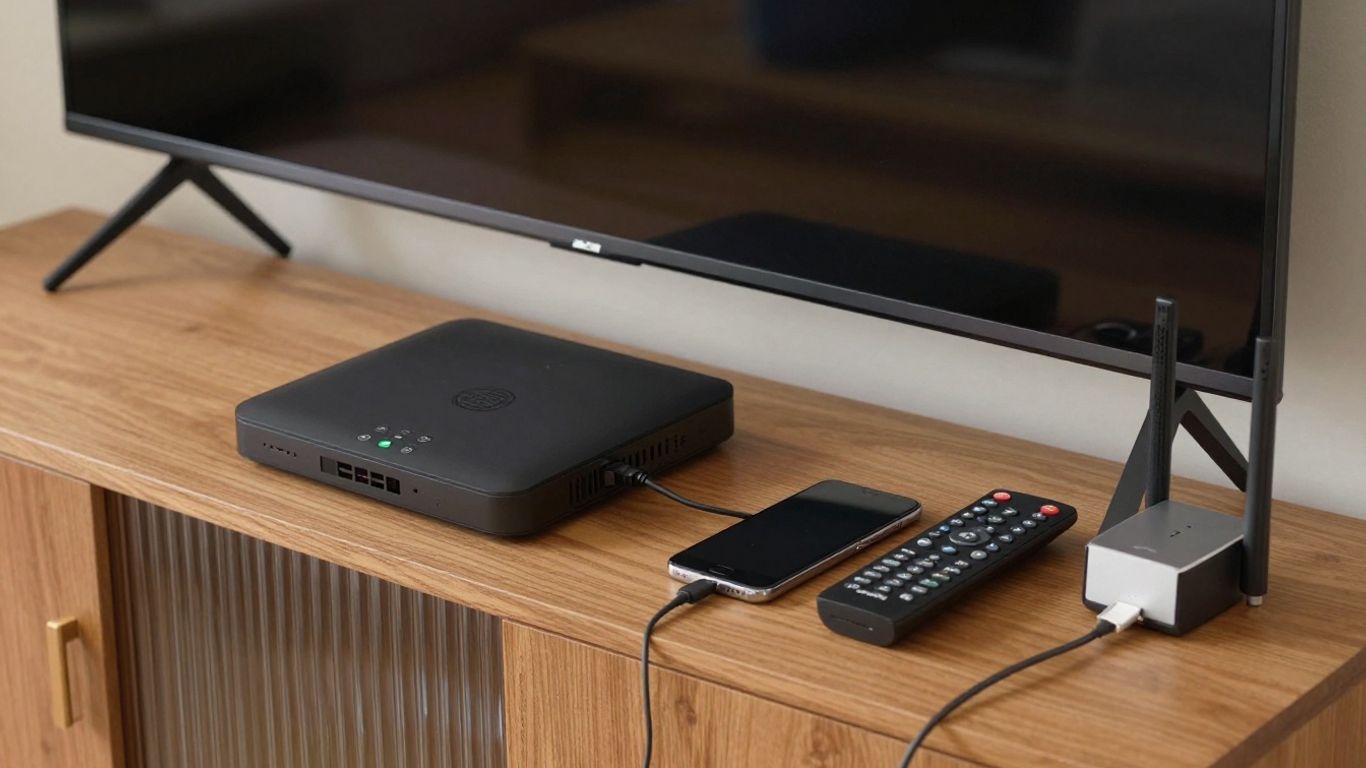
Ask whether account activation, playlist delivery, configuration, or customer-assisted setup costs extra. Some services include these steps, while others list them separately at checkout. The first invoice may therefore be higher than the advertised monthly price.
Look for a final payment summary before confirming the order. If a fee is unclear, written clarification is more useful than an assumption that it will be waived.
Extra-device and multi-screen fees
A household may pay more for additional simultaneous connections. Even when several devices are supported, the account might allow only one active stream under the entry plan. Determine whether upgrades are priced per connection, per device, or by a higher subscription tier.
It is also worth checking whether using the same account in different locations is permitted. The technical ability to log in does not necessarily define the account’s terms.
Required hardware, apps, or VPN services
Some setups work through existing smart-TV software, while others require a streaming stick, compatible application, or external player. Hardware is a one-time purchase, but app subscriptions or optional network services can become recurring expenses. A VPN should not be treated as a universal requirement; first establish whether it is needed for your lawful use case and whether the provider supports it.
Make a small equipment list before subscribing: television or streaming device, remote, compatible app, internet connection, and any optional service. This keeps setup costs from being mistaken for subscription costs.
Auto-renewal and cancellation terms
Auto-renewal is one of the most common sources of surprise charges. Find the renewal date, future price, cancellation method, and required notice period. A plan paid in advance may not stop automatically when you stop watching.
Set a calendar reminder a few days before renewal if you are testing a service. Keep proof of cancellation and review the next payment statement, particularly when the original purchase was promotional.
How IPTV pricing differs by service type
“IPTV” can describe several kinds of internet-delivered television, and their pricing models are not identical. Licensed platforms may charge for rights-backed packages, while internet or cable providers often bundle television with broadband. Free services may rely on advertising, and unverified offers can carry legal and security concerns that price comparisons cannot capture.
Licensed live TV streaming platforms
Licensed live TV platforms generally price access around content rights, regional availability, advertising arrangements, and included features. Their packages may resemble traditional television tiers, with clearer information about supported apps and billing. The monthly rate can be higher than an informal offer, but the comparison should include transparency, lawful access, and customer protections.
Read the service description and terms in your region. Pricing alone does not establish whether a service is authorized to provide every channel it lists.
IPTV services from internet and cable providers
Internet and cable providers may combine television with broadband, equipment rental, installation, or promotional discounts. This can simplify support and billing, but the total package may be less flexible than a standalone subscription. Check what happens when the introductory period ends and whether canceling television changes the internet rate.
The right comparison is the complete household bill. A bundled offer can be worthwhile when you already need the internet service, but it is not automatically cheaper than separate choices.
Free and ad-supported streaming options
Free and ad-supported services can reduce monthly spending, especially for casual viewers. They may offer selected live channels, news, older programs, or on-demand content without a subscription fee. The trade-offs may include advertising, a smaller catalog, fewer premium channels, and limited playback features.
This model works well when the goal is occasional entertainment rather than a full replacement for paid live television. Check privacy terms and app permissions just as you would with a paid service.
Unverified providers and legal considerations
Very low pricing deserves extra scrutiny when the provider does not clearly identify its business, content rights, refund process, or support channels. Avoid services that ask for unusual payment methods, promise every premium channel without explanation, or provide unclear information about legality. Security risks can include unsafe applications, exposed payment details, and unwanted access to devices.
Verify the rules that apply where you live and choose services that explain their offering. Saving money is not a benefit if access is interrupted or your personal information is placed at risk.
How to choose an IPTV plan for your needs
The best plan is the one that fits your viewing habits, budget, devices, and tolerance for commitment. Start with the content you actually watch, then consider how many people stream and what quality your connection can support. IPTVON.ME emphasizes live channels, VOD content, high-quality streaming, and customer support, which are useful criteria to compare against your own priorities. A real estate coaching investment guide makes a similar broader point about value: the right choice depends on fit, access, and long-term usefulness, not just the starting price.
Selecting a plan for occasional viewing
Occasional viewers usually benefit from flexibility. A monthly plan or a short trial can prevent paying for many months of access that goes unused. Focus on the channels and VOD categories you will actually open, plus the ease of canceling when your viewing season ends.
You may not need multiple connections, advanced recording features, or the largest package. A smaller plan that is simple to pause or end can be the more sensible choice.
Finding the right option for families
Families should begin with simultaneous viewing rather than channel totals. List the likely screens and times of use, then confirm that the plan supports that pattern. Also check parental controls, app compatibility, profile options, and whether the service’s support materials are easy for everyone to follow.
A family plan costs more only when the extra access is useful. Paying for connections that remain idle is no better than paying for channels nobody watches.
Choosing IPTV for sports and international channels
Sports and international viewing often require closer checking because availability can vary by region, season, and rights agreement. Confirm the exact channels, languages, event coverage, and time-zone presentation before subscribing. If a particular tournament or league is the main reason for joining, make sure it is covered for the full period you need.
Do not assume that a broad channel list guarantees every event. Written details and a suitable trial are safer guides than promotional wording.
Reviewing reliability, security, and customer support before paying
Before payment, test how clearly the provider explains setup, supported devices, pricing, renewals, and refunds. Check that the payment page is secure and that the service gives you a realistic way to contact support. If the offer makes claims that cannot be verified, step back and look for a more transparent option.
A reliable choice is not simply the cheapest one. It is the plan whose content, performance, terms, and support match what you are prepared to pay for.
Conclusion
IPTV pricing becomes easier to judge once the full cost is separated from the headline rate. Compare billing periods, content, connections, quality, setup requirements, renewal rules, and legal clarity together, then choose a plan that fits how you actually watch rather than chasing the biggest channel number.
Frequently Asked Questions
What is IPTV pricing based on?
IPTV pricing is commonly shaped by the included channels, VOD library, streaming quality, number of simultaneous connections, supported devices, and billing period. Extra features and regional availability can also affect the rate.
Is a monthly IPTV plan better than an annual plan?
A monthly plan offers more flexibility and is useful for testing a service. An annual plan may have a lower effective monthly cost, but only makes sense when the service is reliable and its refund and cancellation terms are clear.
Does IPTV pricing include internet service?
Usually, the IPTV subscription and internet connection are separate costs. You need a stable connection capable of handling the chosen quality, but the broadband bill is generally paid to a different provider.
Do IPTV plans charge for multiple devices?
Some plans include one connection and charge more for additional simultaneous streams. Always distinguish between the number of devices where an app can be installed and the number allowed to watch at the same time.
Are 4K IPTV plans always worth more?
Not necessarily. 4K is valuable only when the content, television, device, and internet connection support it. For some viewers, reliable HD playback and the right channels provide better value.
What hidden fees should I check?
Look for activation, setup, equipment, app, extra-connection, tax, renewal, and cancellation-related charges. Review the final checkout total and the recurring price after any introductory offer ends.
How can I compare IPTV services safely?
Check the provider’s identity, content information, payment security, supported devices, refund policy, and customer support. Also verify that the service is lawful in your region and avoid offers with unclear rights or unusually aggressive promises.