Key Takeaways
A dependable IPTV subscription is about more than a large channel count. Check the service’s rights, reliability, device support, pricing, and cancellation terms before you commit.
- Confirm that the provider is licensed to distribute the content it offers.
- Match the plan to your preferred channels, viewing habits, and household devices.
- Test stream stability, guide features, and customer support before paying long term.
- Protect your payment details and avoid unofficial apps or suspicious download links.
- Review renewals regularly so the service continues to provide good value.
Understand how IPTV subscriptions work
IPTV, or Internet Protocol Television, delivers television programming through an internet connection rather than a dedicated cable line or satellite dish. The experience can include live channels, on-demand programs, and features that let you watch content after its original broadcast. Because the quality depends partly on your home network, choosing a service also means checking your connection and equipment.
The term covers both legitimate, licensed services and unauthorized operations, so technology alone does not tell you whether a provider is trustworthy. A useful IPTV subscription guide can help clarify the basic setup, but you should still verify the provider’s own terms and content rights before purchasing.
IPTV vs. traditional cable and satellite TV
Traditional cable and satellite services use dedicated infrastructure to bring television into the home. IPTV sends the stream over the internet, which can make it easier to watch on smart TVs, streaming boxes, computers, and mobile devices. It may also offer a more flexible interface, although the actual experience varies by provider and network.
The difference is not simply a question of price. Cable and satellite packages often bundle channels, equipment rentals, and installation, while IPTV plans may separate the television service from the internet connection you already pay for. Compare the complete monthly cost and the terms of both options rather than assuming that an internet-delivered service is automatically cheaper.
Live TV, video-on-demand, and time-shifted content
Live TV follows a scheduled broadcast, making it useful for news, sports, and programs you want to watch as they happen. Video-on-demand, by contrast, lets you select a film, series, or other program from a library. Time-shifted viewing sits between those models: depending on the service, it may let you replay recently broadcast content or start a program from the beginning.
These labels can mean different things from one provider to another. Ask whether catch-up is available for the channels you watch, how long recordings remain accessible, and whether on-demand titles are included in the base plan. A long list of categories is less useful than clear information about what you can actually play.
Internet speed and home network requirements
Your connection needs enough capacity for the number of streams running at once, along with other activity such as video calls, gaming, and downloads. A single high-definition stream may work well on an ordinary broadband connection, while several high-resolution streams need more headroom. Wi-Fi distance, interference, router quality, and peak-hour congestion can matter just as much as the advertised speed.
Start with a practical test on the device you plan to use. If playback stutters while other household devices are active, try reducing competing traffic or connecting the player by Ethernet. Do not treat a speed-test result as a guarantee of service quality; the provider’s servers and the route between your home and those servers also affect playback.
Compatible devices and operating systems
Before subscribing, check whether the service supports your smart TV platform, streaming stick, set-top box, phone, tablet, or computer. Compatibility may depend on a particular app, player, operating-system version, or playlist format. A service that works on one television may not work in the same way on every device in the home.
Write down the devices you actually use and confirm each one against the provider’s documentation. Also check whether the plan limits the number of registered devices or active streams. For a broader comparison of hardware, bandwidth, and provider checks, see this IPTV technology and hardware guide.
Compare IPTV subscription features
Once the basic delivery model makes sense, compare the features that affect daily viewing. Channel counts can be impressive but may hide regional gaps, duplicate listings, or content you never watch. Reliability, guide quality, playback options, and household access usually have a greater effect on satisfaction after the first week.
Use a short trial, where available, to test the service at the times you normally watch. This gives you a better picture than a product page alone. It is also worth checking whether support answers practical setup questions clearly, since responsive help can save considerable frustration later.
Channel selection and regional availability
Begin with a list of the channels and categories that matter to you. A household may care about local news, a particular sport, international programming, children’s content, or a small group of movie channels. Verify the exact region and language rather than relying on broad claims such as “global coverage.”
Look for a current channel list, sample guide, or searchable catalog. Regional availability can change because distribution rights change, and a channel name in a menu does not necessarily mean that its stream is active or authorized. A focused lineup that works consistently may be more useful than thousands of uncertain entries.
Video quality, resolution, and stream stability
Resolution describes the sharpness of the video, but it is only one part of the viewing experience. A nominal 4K stream is not helpful if it repeatedly buffers, drops frames, or changes quality during busy periods. Check whether the service clearly explains supported resolutions and whether your television, player, and home network can display them.
During a trial, test several types of content at different times of day. Notice startup speed, audio sync, picture changes, and recovery after a brief network interruption. Consistent playback matters most because a slightly lower resolution is often preferable to a sharper stream that cannot remain stable.
Electronic program guides and catch-up viewing
An electronic program guide, or EPG, makes live television easier to navigate by showing schedules and program information. Its value depends on accuracy: a guide that is several hours out of date can make recordings or scheduled viewing unreliable. Check whether the guide covers the channels you care about and whether it loads quickly on your device.
Catch-up viewing can be equally useful when your schedule changes. Read the service description for its retention period and channel coverage, then test a recently aired program. The feature should be treated as a practical convenience, not assumed to apply to every channel or every piece of content.
Simultaneous streams and household access
A plan may allow multiple registered devices while still limiting how many streams can play at the same time. Those are different conditions. Families should ask how the provider defines a connection, whether streams must use the same household network, and what happens when the limit is exceeded.
The following quick inventory helps prevent an unsuitable plan:
- Count the people who may watch independently.
- Separate registered devices from simultaneous active streams.
- Identify the hours when viewing overlaps most often.
- Check whether the plan permits the intended household arrangement.
After that check, choose the smallest plan that comfortably covers normal use. Paying for access that your household rarely needs is not better value, while exceeding a stream limit can interrupt everyone’s viewing.
Evaluate pricing and subscription plans
Price comparisons are useful only when the plans offer comparable access and terms. A low monthly figure may exclude features you need, while a longer commitment may reduce the apparent cost but make cancellation harder. Put the price beside the service’s rights information, support policy, device limits, and refund rules.
Some providers publish separate monthly, quarterly, and annual choices, while others use promotional pricing for the first term. Record the regular renewal price as well as the introductory price. A budget IPTV comparison can provide ideas for questions to ask, but it should not replace your own review of the provider’s current offer.
Monthly, quarterly, and annual payment options
Monthly plans provide flexibility and reduce the risk of being tied to a service that does not suit your home. Quarterly or annual plans may lower the effective monthly cost, but the saving is worthwhile only if the service performs well and the cancellation terms are acceptable. Consider the total amount charged today, not just the monthly equivalent shown in an advertisement.
For a first purchase, a short plan is often a sensible way to test compatibility, stability, and support. Move to a longer term only after you have used the service through ordinary viewing periods. Keep a copy of the checkout page and confirmation email so you can verify what was promised.
Free trials, refunds, and cancellation policies
A free or low-cost trial can reveal whether the app works on your equipment and whether the channel lineup matches your needs. Read the trial conditions carefully: some trials end automatically, some convert to a paid plan, and some limit access to selected content. A trial is useful only when its terms are understandable.
Refund policies deserve the same attention. Check the eligible time period, excluded circumstances, payment method requirements, and cancellation process. If you cannot find a clear way to stop renewal, treat that as a warning before entering payment details.
Hidden fees and equipment costs
Calculate the full cost of getting started. You may need a compatible player, streaming device, remote, upgraded internet plan, or additional app subscription. Some providers include setup help, while others expect you to configure the player yourself.
A simple comparison table can keep one attractive headline price from dominating the decision:
| Cost or condition | What to check | Why it matters |
|---|---|---|
| Subscription price | Introductory and renewal rates | Reveals the ongoing cost |
| Device expense | Required hardware or app fees | Adds to the first payment |
| Stream allowance | Registered devices and active streams | Determines household usability |
| Cancellation | Notice period and process | Limits renewal surprises |
Review the total before checkout and save the invoice afterward. This small step makes it easier to challenge an unexpected charge or compare the service with another option later.
When a low-cost plan may be a warning sign
A very low price is not proof of wrongdoing, but it deserves extra questions. Be cautious when a provider promises every premium channel, offers no information about licensing, insists on cryptocurrency or unusual payment methods, or uses changing contact details. Prices that seem disconnected from the rights and infrastructure involved may indicate that the service is not operating transparently.
Look for a real business identity, clear terms, a privacy policy, and a support route that works before you pay. The reliable IPTV supplier checklist is useful as a reminder to assess legal status, stability, content, and pricing together rather than selecting on cost alone.
Check legality, privacy, and security
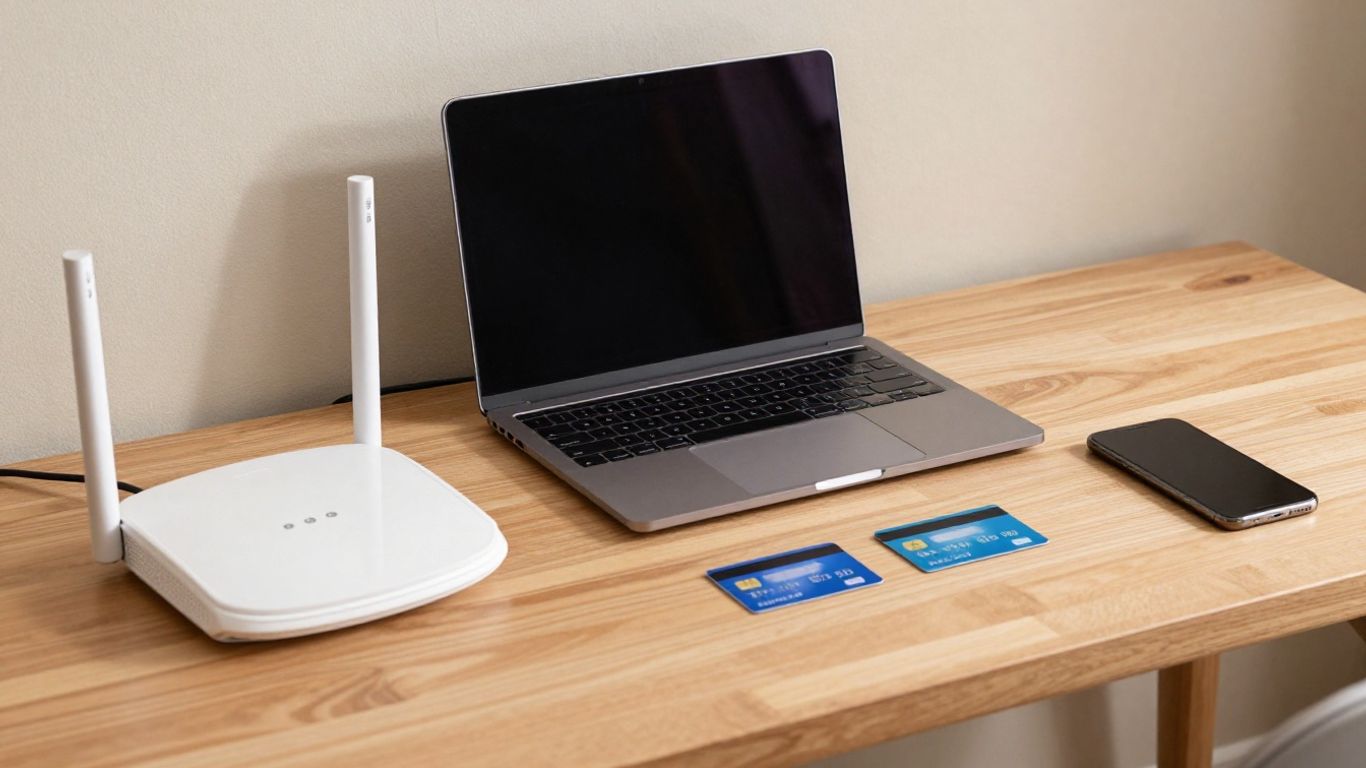
IPTV is a delivery method, not a guarantee that every stream is authorized. A legitimate provider should be able to explain what it is licensed to distribute and which terms govern your access. Privacy and security matter too, because a streaming account can involve payment information, email addresses, device data, and app permissions.
Treat uncertainty as a reason to pause. Do not install software merely because a seller says it is required, and do not provide identity or payment information through an unverified chat account. The safest choice is a provider with transparent ownership, understandable policies, and normal payment and support practices.
How to identify licensed IPTV providers
Start with the provider’s legal name, terms of service, privacy policy, and explanation of content rights. A licensed service should not need to hide behind vague promises or claim that every channel in every country is available without restriction. Look for a clear billing relationship and a support process that matches the business identity.
You can also ask direct questions before subscribing: Who supplies the programming? Which regions are covered? What happens when a channel’s rights change? Clear answers are more reassuring than a large channel number. A provider that cannot explain its rights position should not receive your payment details.
Copyright risks associated with unauthorized streams
Unauthorized streams can expose viewers to more than interrupted playback. Depending on your location and the circumstances, accessing or sharing copyrighted content without permission may create legal risk. The provider, reseller, or app may also disappear without notice, leaving you with no meaningful refund or support route.
Avoid services that advertise recently released premium content at implausibly low prices or encourage you to bypass normal access controls. If a listing seems too broad to be credible, step back and verify it. Legal clarity is part of reliability, not an optional extra.
Payment security and personal data protection
Use a secure checkout page and confirm that the address is correct before submitting payment. Read the privacy policy for information about retention, sharing, account deletion, and marketing communications. A provider should request only the information needed to create and manage the subscription.
The same verification habit applies beyond streaming. For example, when reviewing a service’s written terms, you can examine ScaleNGN to see how a technology company may describe eligibility, billing, account responsibilities, and cancellation. When a provider’s own policies are missing or evasive, that comparison is a useful reminder to pause rather than guess.
Malware, phishing, and suspicious app downloads
Download apps only from the device manufacturer’s store or a source the provider can verify. Be wary of APK files, browser extensions, “activation” tools, and messages asking for remote access to your television or computer. Phishing pages often copy familiar logos and urgency-filled language while directing you to an unrelated payment form.
Security checks are not limited to entertainment. A regional AI gateway guide, for instance, discusses proxy layers, routing, security, and compliance; those same broad habits—checking who operates a service and what data it handles—are sensible when assessing a streaming provider. Never reuse an important password for an IPTV account, and turn on multi-factor authentication wherever it is offered.
Set up an IPTV subscription
Setup should be straightforward when the service, app, device, and internet connection are compatible. Begin with the provider’s official instructions and keep your order confirmation nearby. Avoid changing several settings at once, because doing so makes it difficult to identify the cause of a problem.
A careful setup also protects your account. Enter credentials only into the intended app or portal, and keep playlist details private. If you need help, use the provider’s documented support channel rather than an unsolicited message claiming to represent it.
Choosing a compatible app or streaming device
Select the device you already know how to use unless there is a specific reason to change. Confirm the operating system, available storage, network connection, video output, and app availability before buying hardware. Older devices may install an app but still struggle with newer codecs or high-resolution playback.
If you are comparing players, focus on official support and update availability rather than cosmetic specifications. A simple interface and reliable firmware can be more valuable than features you will never use. Keep the television, player, and router close enough to test them together before committing to a longer subscription.
Entering provider credentials and playlist details
Providers may supply a username and password, a portal address, or playlist details for a compatible player. Copy these carefully and preserve capitalization, punctuation, and spacing where relevant. Never post the details in a public forum or send them to someone offering unsolicited “activation.”
After entering the information, allow the app to load its channel list and guide. If only part of the catalog appears, check for a synchronization option and confirm that the account is active. Do not assume that reinstalling repeatedly will fix a server-side account or authorization problem.
Optimizing Wi-Fi, Ethernet, and router settings
Place the streaming device where it receives a strong, stable signal, or use Ethernet when practical. A crowded wireless channel, thick walls, and distance from the router can cause inconsistent playback even when a speed test looks acceptable. Restarting the router may help with a temporary issue, but it is not a substitute for solving persistent coverage problems.
Keep router firmware current and avoid unnecessary traffic during important viewing. If your router supports separate bands or quality-of-service controls, use them carefully and document any change. Good network habits improve troubleshooting because they reduce variables between the provider and the screen.
Troubleshooting buffering, outages, and playback errors
Start by identifying whether the problem affects one channel, one device, or the entire service. Test another app to separate a home-network problem from a provider outage, then restart the player and router in an orderly sequence. Record the time, channel, error message, and device before contacting support.
Do not immediately blame your broadband connection. If other services work normally but several IPTV channels fail, the provider may be experiencing an outage or source problem. A support team that gives clear status updates and practical next steps is more useful than one that simply tells you to reinstall the app.
A useful troubleshooting process narrows the cause before you make changes. If buffering continues across devices and networks, ask for a concrete explanation or remedy, and use your refund or cancellation rights if the service does not meet its published terms.
Choose the right IPTV subscription for your needs
The best plan depends on what you watch, where you watch it, and who shares the account. A sports-focused household has different priorities from someone who mainly watches news, films, or international programs. Start with viewing habits, then compare the services that meet those needs legally and consistently.
Avoid choosing from a channel count alone. A manageable guide, stable playback, compatible devices, and responsive support may matter more than a catalog full of channels no one opens. For another structured look at content, reliability, compatibility, and legal compliance, see this IPTV provider selection guide.
Options for sports, news, movies, and international channels
Sports viewers should verify the specific competitions, regional restrictions, and start-time reliability that matter to them. News viewers may prioritize local or international coverage and a dependable live schedule. Movie and series viewers should examine the on-demand catalog, subtitles, audio options, and how often titles change.
International households should check language, region, and time-zone information rather than assuming that a country label covers every desired channel. Rights can differ by territory. Ask for a current sample list and test a few representative channels during the trial.
Selecting a plan for families and multiple viewers
Families need to consider both simultaneous streams and different content preferences. A plan that works for one person may fail during the evening when several viewers use the service at once. Check parental controls, profiles, device limits, and whether the provider permits the intended household use.
It is also wise to agree on who manages the account and renewal date. Keep credentials private, use a strong password, and avoid sharing an account beyond the provider’s terms. Clear household rules prevent accidental lockouts and make support conversations simpler.
Comparing services for travel and regional access
Travel can expose differences in regional rights, account rules, and network conditions. Before leaving home, confirm whether the service permits use in the destination and whether the relevant channels are available there. Hotel Wi-Fi, mobile hotspots, and public networks may also restrict streaming or introduce extra buffering.
A VPN may be useful for privacy on an untrusted network, but it does not change a provider’s content rights or override geographic restrictions. Follow both the service agreement and local law. For technical context on privacy and regional access, compare the provider’s own policy rather than relying on broad promises in an advertisement.
Assessing customer support and service reliability
Test support before purchase with a specific question about devices, stream limits, billing, or licensing. Pay attention to whether the answer is precise and whether the contact method is documented on the official site. Support that responds quickly but avoids the actual question is not especially reassuring.
Reliability should be judged over ordinary use, not one successful evening. Track outages, guide errors, repeated buffering, and how quickly reported issues are addressed. IPTVON.ME describes a focus on high-quality streaming and robust customer support, so those are the areas to verify through your own experience before choosing a longer plan.
Maintain and review your IPTV service
A subscription is not a set-and-forget purchase. Apps change, devices age, networks become busier, and channel rights can shift. A short review every few months helps you decide whether the service still fits your household.
Keep your records organized: the plan name, renewal date, payment receipt, support contact, and device list. That information makes it easier to spot changes and act before an unwanted renewal. It also gives you a clear basis for comparing alternatives without rushing.
Keeping apps and streaming devices updated
Install app and device updates from official sources and restart the equipment afterward if instructed. Updates can improve compatibility, security, and playback behavior, although they may also change menus or sign-in requirements. Check that your saved provider details remain correct after a major update.
Do not install an unfamiliar “codec,” plugin, or activation utility simply because a pop-up recommends it. If an update breaks playback, consult the provider and device maker’s documented guidance. Keeping a record of the previous working version can help support identify what changed.
Monitoring performance and data usage
Watch for patterns rather than judging the service from one isolated interruption. Note the time of day, affected channels, device, connection type, and whether other household traffic was active. Persistent problems at the same time each evening may point to congestion, while failures on one device may indicate compatibility trouble.
High-resolution streaming can use substantial data, especially when several screens operate together. Check your internet plan for caps or overage charges and review your router’s usage tools if available. If the service offers multiple quality settings, select a level that matches the screen and connection instead of consuming bandwidth unnecessarily.
Reviewing the plan before automatic renewal
Put the renewal date on your calendar and check the current price a few days beforehand. Confirm whether the promotional rate has ended, whether stream limits have changed, and whether the channels you originally wanted are still available. Then compare the total cost with your actual use.
If you decide to continue, save the updated terms and receipt. If you decide to leave, follow the stated cancellation process and keep confirmation of the request. Clear records are particularly valuable when a plan renews automatically.
When to switch to another provider
Switch when recurring problems outweigh the service’s value, especially if support cannot explain or correct them. Repeated outages, missing core channels, unclear billing, unsafe app instructions, and evasive answers about licensing are all reasonable grounds to reconsider. Do not stay only because you have already spent time setting everything up.
Before moving, confirm the replacement service’s compatibility, rights information, refund policy, and support quality. IPTVON.ME offers a broad live-channel and video-on-demand service with options positioned around streaming quality and customer care; as with any provider, compare those published capabilities with your own requirements and experience. A final check against your budget and household usage will make the change more deliberate.
Conclusion
Choosing among IPTV subscriptions takes a little more work than comparing channel numbers, but the process is manageable: verify rights, test performance, understand the full price, protect your data, and match the plan to your real viewing habits. A service that remains transparent and reliable after the sale is far more valuable than one that only looks impressive at checkout.
Frequently Asked Questions
What does IPTV mean?
IPTV means Internet Protocol Television. It delivers television programming through an internet connection rather than through a traditional cable or satellite signal.
Are all IPTV subscriptions legal?
No. Legality depends on whether the provider has permission to distribute the channels and programs it offers in the relevant region. Check licensing information and the provider’s terms before subscribing.
What internet speed is needed for IPTV?
The required speed depends on resolution, the number of simultaneous streams, and other household activity. A stable connection with spare capacity is more useful than a high advertised speed that fluctuates.
Can IPTV work on a smart TV?
It can, provided the television’s operating system supports the provider’s app or a compatible player. Confirm device compatibility before purchasing and check whether older hardware is still supported.
Is a free trial worth using?
A trial can help you test the channel lineup, playback stability, device compatibility, and support response. Read the conversion, refund, and cancellation conditions so the trial does not create an unexpected charge.
Why does IPTV buffer?
Buffering may result from weak Wi-Fi, network congestion, device limitations, provider outages, or an overloaded stream source. Test another device or service and record the circumstances before contacting support.
Should I choose a monthly or annual plan?
A monthly plan offers flexibility while you test the service. An annual plan may cost less overall, but it makes sense only after you have confirmed reliability, compatibility, legal clarity, and acceptable cancellation terms.