Key Takeaways
Choosing IPTV solutions is less about finding the longest channel list and more about matching content, devices, network capacity, and support to the people who will use the service.
- Define the viewing needs, locations, devices, and content rights before comparing providers.
- Separate live television, video on demand, hospitality, and organizational use cases.
- Test streaming quality, compatibility, administration tools, and customer support.
- Treat security, privacy, licensing, and network planning as part of the solution.
- Measure reliability and viewer satisfaction after launch, then refine the service.
What IPTV solutions are and how they work
IPTV solutions deliver television and video through an internet protocol network rather than relying only on traditional broadcast, cable, or satellite distribution. The same basic idea can support live channels, recorded programming, video-on-demand libraries, and private organizational streams. The right design depends on who is watching, what content is licensed, and how much control an administrator needs.
For a useful introduction to infrastructure, hosting choices, and deployment decisions, this IPTV architecture guide is a practical companion. It helps frame the system as more than an app: the network, content workflow, playback devices, and operating processes all affect the viewing experience.
The core components of an IPTV system
A typical IPTV system has a content source, an ingest or encoding layer, storage or content management, delivery servers, a network, and playback applications. Live feeds may be encoded and packaged as they arrive, while on-demand files are stored, organized, and delivered when requested. Authentication and entitlement services determine who can access particular content.
On the viewer side, the experience may run through a smart TV, streaming box, mobile device, computer, or a dedicated set-top box. Administrators usually need tools for organizing channels, managing users, updating program information, and reviewing service health. These pieces can be hosted locally, in the cloud, or in a hybrid environment, depending on operational and security requirements.
How content travels from source to screen
The journey begins when a provider receives a broadcast feed, uploaded file, camera signal, or other authorized source. That material is encoded into formats suitable for delivery, divided into streamable segments where appropriate, and made available through a delivery platform. A player then requests the stream over the network and adapts playback to the device and available connection.
This is why a strong connection alone does not guarantee smooth viewing. Encoding settings, server capacity, routing, Wi-Fi conditions, and the player itself can all introduce delay or buffering. A well-designed service plans the complete path from source to screen instead of treating the final app as the whole system.
IPTV, OTT, and traditional television compared
IPTV and OTT both use internet-based delivery, but the network environment and level of control can differ. IPTV often describes managed distribution over a controlled network, while OTT commonly refers to video delivered over the public internet to a broad range of consumer devices. Traditional television generally uses broadcast, cable, or satellite infrastructure with a different approach to distribution and return communication.
The distinction matters when evaluating reliability, device access, and administration. A private organization may value centralized control and predictable network behavior, while a household may prioritize flexible access across several devices. In either case, the service should be judged by its legal content sources, actual performance, and fit with the viewer’s habits rather than by terminology alone.
Common use cases across business and entertainment
Households may use IPTV solutions for live channels and on-demand entertainment across televisions and mobile screens. Businesses can distribute internal video, venue programming, or information displays, while hotels and healthcare facilities may combine television with guest or patient information. Education settings can use the same underlying approach for lectures, announcements, and recorded material.
The use case determines the design priorities. A home viewer may need a simple interface and dependable support; an enterprise may need user groups, centralized administration, and monitoring; a hotel may need branded screens and room-specific controls. Starting with that context prevents a technically impressive platform from becoming an awkward fit.
Types of IPTV solutions to consider
Not every IPTV service is built for the same viewing environment. Live channel delivery, on-demand libraries, hotel entertainment, and internal communications may share technical foundations while requiring very different workflows. Compare solutions by the job they need to perform, not just by the number of available channels.
A clear category also makes budgeting easier. You can identify which features are essential, which devices must be supported, and where a managed service is preferable to a system maintained in-house.

Live TV and channel distribution platforms
Live TV platforms receive authorized channel feeds, organize them into a guide, and deliver them to approved viewers. They need dependable ingest, sensible channel management, accurate program data, and enough capacity for simultaneous viewing. Delay may also matter for sports, news, and event programming.
For a consumer service, IPTVON.ME provides IPTV subscription services with live channels and video-on-demand content, alongside a focus on streaming quality and customer support. That kind of offering is best assessed through the viewer’s actual devices, connection, preferred channels, and support expectations rather than through a headline channel count alone.
Video-on-demand and media libraries
Video-on-demand changes the delivery pattern because viewers start content at different times. The platform needs organized metadata, search, stable storage, access controls, and a player that can resume or restart content cleanly. A useful library is easy to browse, not merely large.
Ask how new titles are added, how expired rights are removed, and whether the interface distinguishes live programming from recorded content. Clear categories and responsive search reduce frustration, especially for viewers using a remote control or smaller screen.
Hospitality and in-room entertainment systems
Hospitality deployments must account for many rooms, varied guest behavior, and a network that also supports business operations. The in-room experience may include live television, on-demand programming, welcome messages, property information, or links to approved services. Centralized administration is valuable because staff should not need to configure every room manually.
The platform should also support an orderly arrival and departure process. Guest access, room assignment, content availability, and reset procedures need to be tested before launch. A solution that looks good in a demonstration can still create unnecessary work if its daily controls are unclear.
Corporate, education, and healthcare deployments
Organizations often need restricted distribution rather than a public entertainment service. A corporate network may carry meetings or internal broadcasts, a school may distribute lessons and announcements, and a healthcare facility may use screens for patient or visitor information. Each setting has different privacy, accessibility, retention, and scheduling needs.
Begin with a small group of representative viewers and devices. Their feedback can reveal practical issues such as audio clarity, login friction, captions, remote support, and whether the channel structure makes sense to people who were not involved in the installation.
How to evaluate IPTV providers and platforms
Provider comparisons become easier when the evaluation is written down before sales demonstrations begin. List the required content, locations, devices, user groups, support hours, and acceptable service interruptions. Then ask every provider the same questions and verify important answers through a trial or technical review.
A supplier should be able to explain what it delivers, what it expects from your network, and what happens when something fails. This provider evaluation guide offers a useful checklist for licensing, performance, technical requirements, and support.
Content licensing and channel availability
A channel list is only useful when the provider has the rights to distribute the content in the relevant market and to the intended audience. Confirm geographic restrictions, commercial-use terms, recording permissions, and whether live and on-demand rights are handled separately. Rights can change, so ask how availability updates are communicated.
Avoid making a decision from a static list alone. Request a current lineup, identify the channels that matter most, and test those channels during the hours when they are normally watched. A smaller, dependable and properly licensed selection is more valuable than an impressive list that does not match your needs.
Scalability, device compatibility, and integrations
Scalability includes more than adding subscribers. It may involve new locations, more concurrent streams, additional administrators, extra device types, or integrations with identity, signage, hospitality, or billing systems. Ask what changes require a new plan, a new appliance, or professional services.
Compatibility should be tested with the exact devices in use. Smart TVs, streaming boxes, phones, tablets, browsers, and older screens may render the same service differently. Confirm supported operating systems, player updates, remote-control behavior, and whether the provider maintains a clear compatibility policy.
User experience and management features
A reliable platform should be straightforward for both viewers and administrators. Viewers need clear navigation, responsive playback, useful search, and understandable error messages. Administrators may need to manage users, organize channels, update program information, set permissions, and review activity without relying on a developer for routine changes.
Look for a sensible balance between choice and simplicity. Too few controls limit the service, while an overloaded interface slows down everyday work. Simple daily administration is often a better predictor of long-term satisfaction than a long list of rarely used features.
Support, service-level agreements, and provider reputation
Support should be evaluated before purchase, not only after an outage. Ask which channels are available, when human assistance is offered, how incidents are prioritized, and what information the support team needs to diagnose playback problems. A service-level agreement should define measurable commitments rather than vague promises of reliability.
Check the trial process, cancellation terms, maintenance notices, and escalation path. References and independent feedback can add context, but the most useful evidence is a controlled test on your own network and devices. The provider’s communication during that test is itself meaningful.
Essential features for a reliable IPTV solution
Features matter when they solve a real viewing or management problem. Adaptive playback can protect quality when network conditions change, while a clear guide helps viewers find live programming quickly. Analytics and controls become more useful when they lead to specific operational decisions rather than simply adding another dashboard.
Use the feature set to support the intended experience, not to create a complicated product tour. A smaller service with predictable playback and good support may serve viewers better than a larger platform that is difficult to navigate.
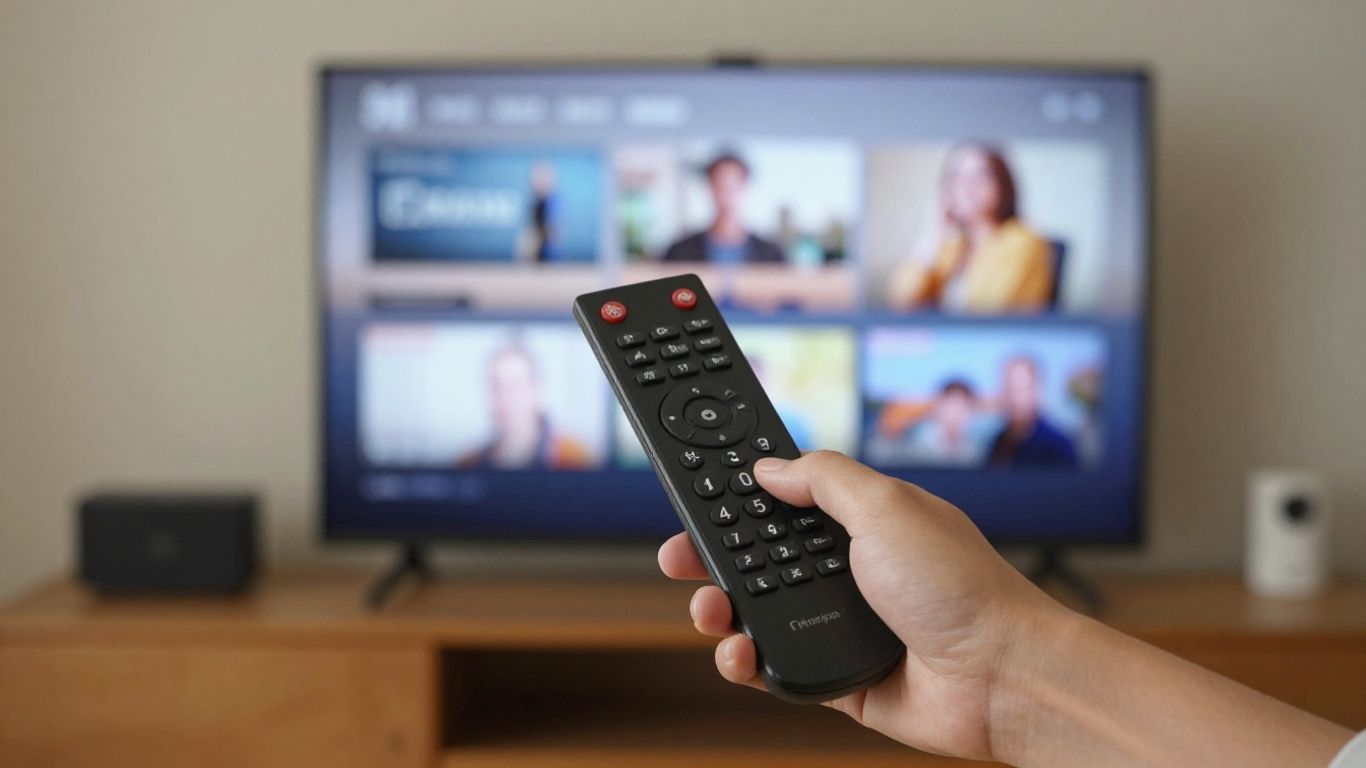
Adaptive streaming and video quality
Adaptive streaming can offer different versions of a video so playback can respond to changing bandwidth and device conditions. The result depends on the source quality, encoding ladder, network path, and player implementation. Resolution labels alone do not tell you whether the stream will remain watchable during congestion.
Test the service at busy times and on both wired and wireless connections. Watch for startup delay, repeated quality changes, audio synchronization, and buffering. If high-definition or 4K viewing is required, confirm that the content, device, connection, and subscription terms all support it.
Electronic program guides and search
An electronic program guide gives live television structure. It should show current and upcoming programs accurately, move smoothly across channels, and make it easy to return to a preferred lineup. Search is especially valuable in large libraries, but only when titles and metadata are maintained consistently.
Check how quickly schedule changes appear and whether local time zones are handled correctly. A guide that is attractive but outdated can be more frustrating than a plain interface with dependable information.
Multi-screen access and mobile support
Multi-screen access lets viewers move between televisions, computers, tablets, and phones, but every additional device increases testing requirements. Screen size, operating system, input method, network quality, and notification behavior can all change the experience. Mobile playback may also need clearer account controls and stronger privacy practices.
Confirm how many simultaneous streams are permitted and how devices are added or removed. Household and organizational policies should be clear, particularly when accounts are shared across locations or when access must be revoked quickly.
Analytics, personalization, and user controls
Analytics can show which channels are viewed, when problems occur, and where users abandon playback. Personalization may include favorites, recommendations, profiles, or viewing restrictions. These tools should be transparent and proportionate to the service’s purpose.
Give administrators controls that match their responsibilities. A household may need parental settings and profiles, while an organization may need role-based access and retention rules. Collect only the data that supports a clear service or operational need.
Security, compliance, and network requirements
Security is part of the viewing experience because an unavailable or compromised service is not reliable. IPTV solutions may handle account credentials, device information, viewing activity, licensed content, and internal video. Protecting those elements requires coordinated technical controls and clear operating procedures.
Network planning deserves the same attention. A service can perform well in a small test and struggle when many viewers connect at once, especially over busy Wi-Fi. Model normal and peak demand before committing to a rollout.
Protecting content and user accounts
Use strong account practices, least-privilege administration, secure transport, and timely software updates. Separate administrator access from ordinary viewing accounts, and remove unused accounts promptly. Content protection may include access controls or digital rights management where the license and platform require it.
Also plan for recovery. Keep documented procedures for credential resets, suspected account misuse, device replacement, and service restoration. Security should be understandable enough that support staff can apply it consistently.
Bandwidth, Wi-Fi, and infrastructure planning
Estimate concurrent streams rather than relying only on the size of the internet connection. Account for peak viewing, other business traffic, wireless contention, local routing, and overhead. Wired connections are often easier to stabilize for fixed screens, while Wi-Fi needs careful coverage and capacity testing.
A practical rollout checks the following areas before broad deployment:
- peak concurrent viewing and expected growth;
- wired, wireless, and remote access performance;
- device firmware, player versions, and display compatibility;
- redundancy for critical network and server components.
These checks identify bottlenecks early and create a baseline for later troubleshooting. They also clarify whether the system should be hosted locally, in the cloud, or across both environments.
Privacy regulations and broadcasting rights
Privacy obligations depend on the location, audience, data collected, and purpose of processing. Document what information is gathered, why it is needed, how long it is retained, and who can access it. Give users appropriate notices and controls where required.
Broadcasting rights are equally practical. Confirm that content is authorized for the intended country, venue, audience, and use. Commercial premises, public displays, and internal employee streams may have different terms from private household viewing.
Monitoring performance and preventing service interruptions
Monitoring should cover stream availability, startup time, buffering, errors, server health, network conditions, and support incidents. Alerts need sensible thresholds so staff can act before a minor problem becomes a widespread outage. Viewer reports remain useful, but they should complement automated checks rather than replace them.
Document maintenance windows and recovery responsibilities. Redundant paths, tested backups, and a clear escalation process can reduce the impact of failures, although no architecture removes the need for regular testing and honest capacity reviews.
How to implement and manage IPTV solutions
Implementation works best as a staged project rather than a single switch. Start with the experience you want viewers and administrators to have, then map that experience to content, devices, network capacity, policies, and support. A small pilot can expose issues that a vendor demonstration cannot.
For setup details covering equipment, configuration, and troubleshooting, this IPTV setup guide can help organize the technical work. Keep the plan practical: assign owners, define acceptance criteria, and record decisions as the service develops.
Defining goals, users, and technical requirements
Write down the primary audiences and their viewing contexts. A home service may prioritize channel discovery, mobile access, and support, while a business deployment may prioritize permissions, internal distribution, and reporting. Identify required channels, on-demand categories, locations, devices, concurrent streams, and accessibility needs.
Translate those goals into testable requirements. “Reliable playback” should become an agreed tolerance for buffering and startup time; “mobile support” should name the operating systems and device classes; “easy administration” should describe the tasks staff must complete without assistance.
Planning installation, testing, and migration
Build a migration plan that protects the existing viewing experience while the new service is tested. Inventory displays and network equipment, prepare accounts, configure a pilot group, and test live and on-demand content. Include busy periods, weak-signal areas, older devices, and realistic user behavior.
A useful acceptance test covers login, channel changes, guide accuracy, search, playback recovery, subtitles where required, device limits, and support escalation. Record results rather than relying on informal impressions. Any failed test should have an owner and a retest date.
Training administrators and supporting viewers
Administrators need short, task-based training on user access, channel organization, program data, incident reporting, and routine checks. Viewers need clear instructions for signing in, selecting content, switching devices, and getting help. Keep the language plain and provide a support route that is easy to find.
The first weeks after launch deserve extra attention. Review common questions, identify repeated setup errors, and update the help material. If IPTVON.ME is used as a subscription service, its documented emphasis on customer support can be considered alongside the practical responsiveness experienced during onboarding and day-to-day use.
Measuring performance and improving the service
Choose a small set of measures that connect technical health to viewer experience. Useful examples include successful playback starts, buffering reports, support response times, device failures, guide accuracy, and usage by channel or library category. Review trends rather than reacting to a single complaint.
IPTVON.ME describes its service as offering live channels and video-on-demand content with a focus on high-quality streaming and customer support. Those claims should still be assessed against the viewer’s own devices, location, connection, and expectations. Regular reviews keep the service aligned with actual use instead of leaving the original configuration untouched.
Conclusion
The best IPTV solutions combine authorized content, dependable delivery, compatible devices, sensible administration, and responsive support. Define the audience and network first, test the service in realistic conditions, and keep measuring after launch. That disciplined approach makes it easier to choose a system that remains useful as viewing habits, locations, and technical requirements change.
Frequently Asked Questions
What is IPTV?
IPTV is television or video delivered through an internet protocol network. Depending on the service, it can include live channels, video on demand, recorded programming, or private organizational streams.
How is IPTV different from cable television?
Cable television generally uses a cable distribution network, while IPTV uses IP-based delivery. The practical differences may involve device access, network control, content packaging, and the way the service handles interactive features.
What internet speed is needed for IPTV?
The requirement depends on resolution, compression, the number of simultaneous streams, and other network traffic. Test the complete connection under expected peak conditions rather than relying only on a general speed estimate.
Can IPTV work on multiple devices?
Many services support televisions, streaming boxes, computers, tablets, and phones, but compatibility and simultaneous-stream limits vary. Confirm support for the exact devices and operating systems you plan to use.
Is IPTV legal?
IPTV technology itself is legal. The key issue is whether the provider has authorization to distribute the channels and programs in the relevant market and for the intended type of viewing.
What causes IPTV buffering?
Buffering can result from limited bandwidth, weak Wi-Fi, network congestion, overloaded delivery systems, unsuitable encoding, device limitations, or problems with the source feed. Testing each part of the delivery path helps isolate the cause.
How should an IPTV provider be evaluated?
Compare authorized content, service reliability, device compatibility, management tools, privacy practices, support, pricing, and contract terms. A trial on your own network is often the most useful final check.