Estimated reading time: 12 minutes
Key Takeaways
- Epic Rivalry: “Le Classique” between PSG and OM is more than just a game; it’s a cultural and social clash of giants.
- Historic Origins: Born in the 1980s, fueled by historic events, and marked by legendary matches.
- Modern Dynamics: Continues to captivate with shifting balances and intense media scrutiny.
- Cultural Impact: Highlights the north versus south divide in France.
- Lasting Legacy: One of French football’s defining narratives, etching passion, pride, and regional identity into every encounter.
Table of Contents
- Introduction
- The Origins and Evolution of French Football’s Fiercest Battle
- The Tale of Two Football Giants
- Birth of a Legendary Rivalry
- North vs South: More Than Football
- Notable Clashes That Defined the Rivalry
- Modern Era Dynamics
- Statistical Legacy
- Looking Forward
- The Impact on French Football
- Frequently Asked Questions
Introduction
Prepare to dive deep into the heart of French football’s greatest rivalry: Paris Saint-Germain (PSG) versus Olympique de Marseille (OM). Known as “Le Classique,” this epic fixture transcends the pitch, echoing throughout French culture and society.
The Origins and Evolution of French Football’s Fiercest Battle
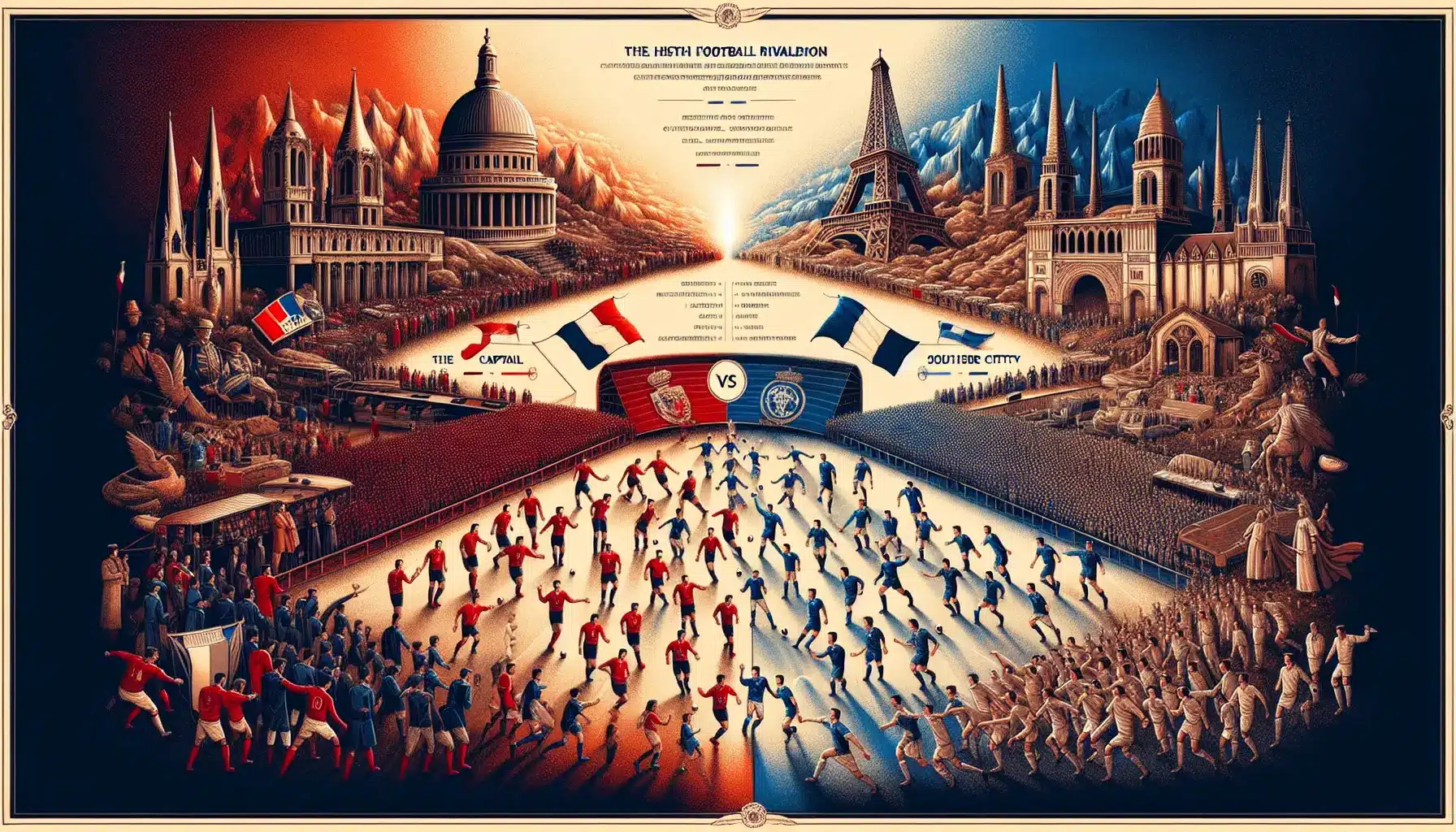
French football’s most intense rivalry takes center stage whenever Paris Saint-Germain (PSG) faces Olympique de Marseille (OM). This fierce competition, known as “Le Classique,” represents more than a football match – it embodies a cultural, social, and sporting clash between France’s capital and its rebellious southern port city.
The Tale of Two Football Giants
PSG, founded in 1970, rapidly grew from a merger of Paris FC and Stade Saint-Germain into France’s most decorated club with 57 trophies. Their home ground, the iconic Parc des Princes, has witnessed countless memorable battles against their southern rivals.
Olympique de Marseille (OM), established in 1892, brings rich history and tradition to this rivalry. As France’s oldest major club, OM proudly stands as the only French team to claim the UEFA Champions League trophy, achieving this milestone in 1993.
Birth of a Legendary Rivalry
The rivalry truly ignited during the 1980s. While initial encounters in the 1970s were relatively tame, everything changed in 1986. PSG secured their first French league title that year, coinciding with businessman Bernard Tapie’s acquisition of OM. Tapie’s ambitious spending on star players like Eric Cantona and Jean-Pierre Papin transformed the competitive landscape.
- Late 1980s saw intense title races between the clubs
- Match-fixing accusations heightened tensions
- Between 1989-1998, both clubs dominated French football, collecting multiple domestic titles
North vs South: More Than Football
Le Classique represents a deeper cultural divide. PSG symbolizes the establishment, the political and cultural power of Paris. Marseille, conversely, embodies the Mediterranean spirit, working-class values, and fierce regional pride.
This north-south tension creates an atmosphere unlike any other in French football. The rivalry transcends sport, reflecting historical, social, and cultural differences between France’s two largest cities.
Notable Clashes That Defined the Rivalry
Several matches stand out in this storied rivalry:
- May 21, 1988: PSG’s crucial 2-1 away victory featured the infamous “whistle incident”
- May 5, 1989: OM’s dramatic last-second victory secured their first trophy in 17 years
- February 10, 2002: A thrilling Coupe de France encounter ended in PSG’s favor after penalties
- October 27, 2019: PSG’s dominant 4-0 victory marked the end of their 20-match unbeaten run against OM
Modern Era Dynamics
Today’s rivalry maintains its intensity despite shifting competitive balance. PSG’s Qatar-backed financial might has tilted recent results in their favor, yet the fixture retains its special status in French football. Every match continues to generate massive media attention and passionate fan engagement. Source
Statistical Legacy
Both clubs stand as the most successful in French football history:
- PSG leads domestic trophy count with 57 major honors
- OM remains the only French Champions League winner
- Both clubs are the sole French representatives to claim major European trophies
Looking Forward
Le Classique continues to evolve while maintaining its core essence. Despite phases where one club dominates, each meeting between PSG and OM carries immense significance. The rivalry showcases French football’s passion, history, and cultural complexity.
Every season brings new chapters to this compelling story. Whether competing for titles or pride, PSG-OM matches remain must-watch events in world football, demonstrating how sporting rivalry can capture imaginations and transcend the game itself. Source
The Impact on French Football
This rivalry has significantly shaped French football’s landscape. It drives media coverage, fan engagement, and commercial success for Ligue 1. The fixture regularly attracts global attention, highlighting French football’s appeal beyond domestic borders. Source
As both clubs continue their respective journeys, Le Classique stands as a testament to football’s unique ability to channel regional identity, social dynamics, and sporting excellence into compelling theater that captivates audiences worldwide.
Frequently Asked Questions
How did “Le Classique” originate?
The rivalry began in the 1980s and gained notoriety as PSG and OM clashed both on and off the pitch, reflecting deeper cultural and social divides.
Why is it more than just a football match?
Le Classique encapsulates the political power of Paris against Marseille’s regional pride and Mediterranean spirit, making it a cultural phenomenon.
What makes PSG versus OM so intense?
Historical encounters, contrasting ideologies, passionate fans, and intense competition contribute to this rivalry’s intensity.
How does this rivalry impact French football?
Le Classique significantly shapes Ligue 1’s popularity and commercial success, drawing global attention and media coverage.
What lies ahead for Le Classique?
As both clubs evolve, their clashes will continue to reflect French football’s passion and complexity, keeping audiences captivated worldwide.