
Estimated reading time: 8 minutes
Key Takeaways
- Cost Efficiency: IPTV often presents lower monthly fees compared to traditional cable TV.
- Flexibility: Stream on various devices and manage subscriptions without lengthy contracts.
- Customization: IPTV services allow for tailored channel packages to fit your viewing preferences.
- Technology-Driven: IPTV benefits from advanced features like cloud DVR and multi-screen viewing.
- Quality Dependence: Streaming quality is heavily reliant on internet bandwidth and stability.
Table of Contents
Making Sense of Modern TV Options
The choice between IPTV and cable TV affects how you watch, what you pay, and your overall entertainment experience. This guide breaks down everything you need to know about IPTV versus traditional cable service, helping you make an informed decision about your viewing future.
What Makes IPTV Different?
IPTV (Internet Protocol Television) transforms how we consume television content. Unlike traditional cable that relies on coaxial cables, IPTV streams television programming through your internet connection. This fundamental difference creates new possibilities for viewers.
- Stream on multiple devices simultaneously: Learn more
- Access content anywhere with internet connectivity
- Choose from flexible subscription packages
- Enjoy both live TV and on-demand content
IPTV vs Cable: Key Differences
Let’s examine how IPTV compares to traditional cable service across crucial factors:
Cost Structure
IPTV services typically cost between $15-$80 monthly, while cable packages range from $50-$150. IPTV eliminates equipment rental fees and long-term contracts common with cable providers.
Channel Selection
Cable TV offers predetermined channel bundles. IPTV provides:
- Customizable channel packages
- Access to international programming
- Integration with streaming services
- Pay-per-view options without cable box requirements
Reliability and Performance
Cable TV maintains consistent service regardless of internet conditions. IPTV quality depends on:
- Internet connection speed
- Network stability
- Server capacity
Benefits of Switching to IPTV
Modern viewers often find compelling advantages with IPTV:
Flexibility
- Watch on phones, tablets, computers, or smart TVs
- Cancel or change services without penalties
- Add premium channels instantly
Advanced Features
- Cloud DVR capabilities
- Catch-up TV options
- Smart content recommendations
- Multi-screen viewing
Practical Considerations Before Switching
Before canceling your cable subscription, evaluate these factors:
Internet Requirements
- Minimum 25 Mbps for HD streaming
- 50+ Mbps recommended for 4K content
- Unlimited data plan preferred
Equipment Needs
You’ll need:
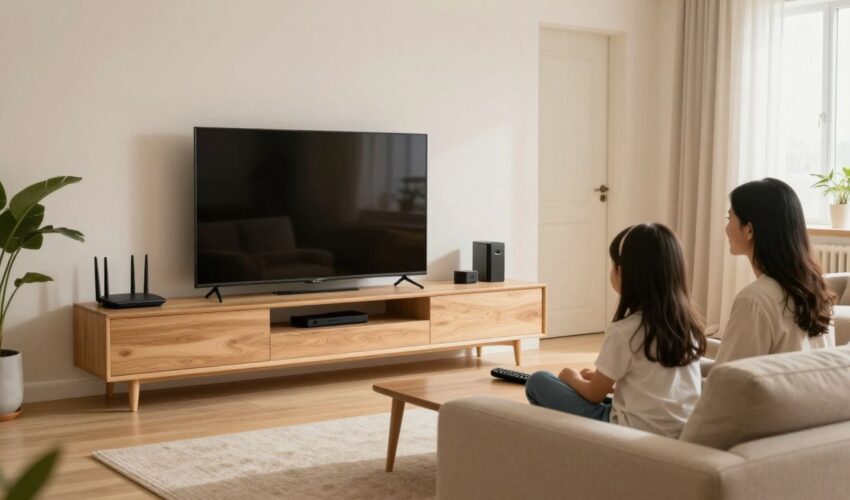
- Smart TV or streaming device
- Reliable router
- HDMI cables if using external devices
How to Choose the Right IPTV Service
Consider these factors when selecting an IPTV provider:
Content Selection
- Available channels in your region
- Sports package options
- Video-on-demand library size
Technical Features
- Stream quality options
- Number of simultaneous streams
- DVR storage capacity
Common Questions About IPTV
Is IPTV Legal?
Yes, when using authorized providers like YouTube TV, Hulu + Live TV, or Sling TV. Avoid unlicensed services that might offer suspiciously low prices. Learn more.
Will I Save Money?
Most households save $30-$50 monthly by switching to IPTV, especially when eliminating equipment rental fees and premium channel charges. Learn more.
Can I Watch Local Channels?
Many IPTV services include local broadcasts. Some viewers combine IPTV with an HD antenna for local coverage. Learn more.
Making the Switch: Next Steps
If you decide to transition from cable to IPTV:
- Test your internet speed and upgrade if necessary
- Compare IPTV service features and prices
- Use free trials to evaluate services Learn more
- Consider keeping cable during the transition period
- Set up your preferred streaming devices
By understanding these aspects of IPTV versus cable TV, you can make an informed decision about your television service. Remember that the best choice depends on your specific viewing habits, budget, and technical requirements.
Frequently Asked Questions
1. Is IPTV Better Than Cable?
It depends on your preferences. IPTV offers more flexibility and often lower costs, while cable provides consistent reliability.
2. Which is more expensive, IPTV or cable?
Typically, IPTV is less expensive than cable, with subscriptions often ranging from $15-$80 compared to cable’s $50-$150.
3. Can IPTV replace my cable service?
Yes, IPTV can replace your cable service, especially if you prefer internet streaming and various viewing options.
4. What equipment do I need for IPTV?
You will need a smart TV or streaming device, a reliable router, and possibly HDMI cables if using external devices.
5. Can I get local channels with IPTV?
Yes, many IPTV services include local channels, and some users augment IPTV with HD antennas for improved local coverage.